
Area Separation Wall Inspection: Get It Right Before It’s Covered Up
In new construction, some of the most important work disappears within days. Once drywall goes up, nobody can see what lies behind it. That’s why an area separation wall inspection matters so much on townhouse and multifamily projects.
These walls protect lives and property. However, small installation errors can weaken them. In this post, we explain what area separation walls do, what can go wrong, and why third-party quality assurance should document them before they are concealed.
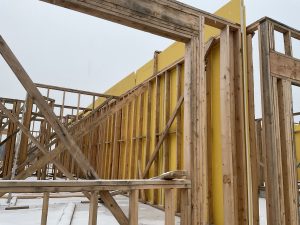
What Is an Area Separation Wall?
An area separation wall is a fire-rated wall between attached dwelling units, such as townhouses. Typically, it uses gypsum shaft liner panels held in metal studs. It runs from the foundation to the roof between neighboring units.
Its job is simple but critical. If a fire starts in one unit, the wall slows its spread to the next. As a result, neighbors gain time to escape, and firefighters gain time to respond.
In addition, many systems use aluminum breakaway clips to attach the wall to the wood framing on each side. In a fire, these clips are designed to release. That way, if one unit’s framing collapses, it doesn’t pull the separation wall down with it.
Why Area Separation Wall Inspection Matters
A fire-rated wall only works if crews build it exactly as the tested design requires. Even small shortcuts can reduce its performance and void its warranty. For example, a missing clip, an unsealed gap, or the wrong fastener may seem minor. In a real fire, however, these details can make a serious difference.
The challenge is timing. Within days, insulation and drywall cover the wall on both sides. After that, finding and fixing problems becomes costly and disruptive. Therefore, an area separation wall inspection must happen while the work is still exposed.
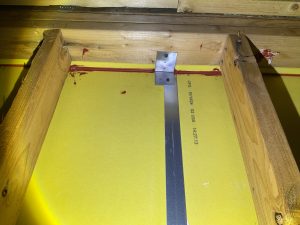
What Our Inspectors Look For
During an area separation wall inspection, our field team checks the installed work against the approved plans and the manufacturer’s tested assembly. The specific items we review depend on the wall system and project, but the goal is always the same: confirm that the wall is built the way it was designed and tested to perform.
If anything doesn’t match, we flag it right away so the crew can correct it before the work is covered up.
Documenting the Work Before It’s Concealed
Inspection is only half the job. Clear documentation matters just as much. For this reason, our reports combine written notes with photos of both conforming and nonconforming work.
We also track each issue until the crew fixes it. Sequential photos show the problem, the correction, and the final result. Consequently, owners and builders gain a permanent record that the work was completed properly before it was covered.
This record pays off for years. It supports code compliance, protects against future claims, and gives buyers and associations added confidence.
Who Benefits from Third-Party Quality Assurance?
An independent area separation wall inspection helps everyone on the project:
- Developers and builders reduce defects, rework, and future liability.
- Lenders and investors gain confidence that the project meets its requirements.
- Future owners and associations receive a documented, safer building.
Our third-party quality assurance services cover more than fire-rated walls. We also review framing, MEP installations, and the building envelope. In addition, our pre-construction document reviews can catch potential issues before construction even begins.
Protect Your Project with Criterium-Hanna Engineers
Our licensed Professional Engineers and field inspectors bring decades of construction experience to every job.
Don’t let critical work disappear without a record. Contact Criterium-Hanna Engineers to schedule your area separation wall inspection today.